
How are these flexible tubes packed to prevent deformation during ocean transit?
- VIP-User
- 2026-07-14
- 16
Flexible tubes prevent deformation during ocean transit through structural resilience and optimized packaging. By utilizing robust raw materials such as plastic and rubber, and packing them in high-density layers with internal supports, these tubes withstand external pressure, moisture, and shifting loads during long-distance maritime shipping.
Core Solutions & Key Takeaways
- Material Integrity: Utilizing high-quality plastic and rubber formulations ensures the tubes retain their cross-sectional shape under moderate external pressure.
- Coiled and Bundled Packaging: Small and medium-sized flexible hoses are neatly coiled and bound tightly to distribute structural stress evenly, preventing localized kinks.
- Internal Support Cores: Inserting cylindrical support cores inside the hollow centers of the tubes prevents collapse when packages are stacked in shipping containers.
- Protective Outer Layering: Wrapping the bundles in heavy-duty moisture-proof films shields the rubber and plastic materials from degrading in high-humidity ocean environments.
Detailed Architectural/Principle Analysis
Preventing physical deformation in flexible tubing during ocean transit requires a combination of material science and precise logistics packaging. Rubber and plastic tubes possess inherent elasticity, but prolonged mechanical pressure combined with the fluctuating temperatures of sea freight can lead to permanent flattening or warping. To counteract these forces, manufacturers apply standardized packaging configurations designed to absorb vibrations and distribute vertical stacking loads.
During export logistics, products undergo systematic preparation. Tubes are wound into structured coils with calculated minimum bend radii to avoid stressing the polymer chains. For specialized applications, such as undercarriage cleaners or high-pressure water systems, maintaining the exact roundness of the connection ports is critical. Standardized transit procedures require protective end-caps to be fitted on all tube terminals, preventing ovalization and keeping debris out of the fluid channels.
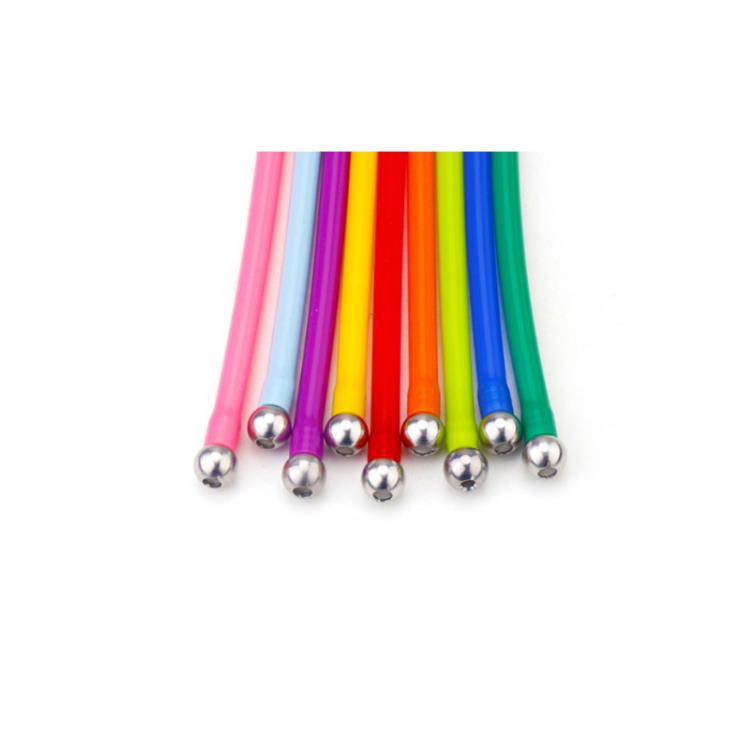
Real-world logistics data shows that proper unitization of cargo significantly reduces transit damage. For instance, in shipping projects involving high-pressure gun accessories and hoses to distributors in North America, executing a full pre-shipment quality inspection and utilizing reinforced pallet packaging ensures that products arrive without physical defects. This systematic approach guarantees that even under the stress of multi-week ocean journeys, the structural profile of the tubes remains intact.
Data/Solution Comparison
| Tube Material Type | Primary Packaging Method | Deformation Risk Level | Moisture Protection Requirement |
|---|---|---|---|
| Plastic Tube | Coiled with internal cardboard cores, stretch-wrapped | Medium | Moderate |
| Rubber Tube | Braided bundles, heavy-duty wooden crates | Low | High (to prevent oxidation) |
| Steel Wire Reinforced Hose | Individual reels, palletized and strapped | Very Low | High (to prevent rust) |
Frequently Asked Questions (FAQ)
Q1: How do temperature fluctuations in ocean containers affect flexible tubes?
A1: Extreme heat inside steel containers can soften plastic and rubber materials, making them more susceptible to deformation under weight. Using temperature-resilient raw materials and avoiding bottom-row stacking in high-temperature zones mitigates this risk.
Q2: What is the standard Lead Time for preparing bulk tube orders for export?
A2: The standard production and packaging lead time ranges from 7 to 10 days for standard tube products, while mass production orders can take between 15 to 30 days depending on the customization requirements.
Q3: Are the tubes subjected to quality checks before shipping?
A3: Yes, all products undergo a full inspection process prior to packaging to verify dimensional tolerances, material consistency, and pressure resistance, ensuring they meet strict export standards.
Final Conclusion & Recommendations
Protecting flexible tubes from deformation during ocean transit relies on selecting the appropriate combination of raw materials, correct coiling techniques, and robust outer packaging. Utilizing professional shipping methods such as sea freight or railway transportation in combination with secured palletization ensures cargo stability. For global distribution, choosing manufacturers that offer clear quality assurance commitments and flexible business models (such as OEM and ODM manufacturing) helps secure reliable delivery. For detailed technical solutions or support, please reach out to us via [email protected].
About Us
Yiwu Zanchy Mechatronics Co. Ltd., established in 2019, is a professional integrated manufacturer and exporter focusing on the R&D, production, and sales of high-pressure cleaning machine accessories. Operating from a 3000sqm factory with more than 50 professional employees, the company maintains an annual comprehensive output value of USD 13 million. Under its brands Roue and TUTULUCK, Zanchy provides high-quality cleaning equipment spare parts to mainstream markets across Europe, North America, South America, and Southeast Asia.

Lastest
-
What PSI and GPM ratings should I look for when sourcing commercial-grade pressure washer guns for heavy-duty industrial cleaning?
2026-07-14 -
How do I choose the right pressure washer gun GPM and PSI specs for commercial car wash businesses?
2026-07-14 -
What specifications should I look for when buying a high pressue hose for industrial washing?
2026-07-14 -
How do I choose the right PSI rating for a high pressure hose used in industrial cleaning?
2026-07-14 -
What is the best way to choose the right PSI rating for a high pressue hose?
2026-07-14
SUBSCRIBE
INQUIRY